
A Pakistani suit for women can be an everyday favourite, an elegant Eid outfit or a polished choice for a wedding invitation. The best option is not always the most heavily embellished one. It is the suit whose fabric suits the weather, whose cut feels comfortable, and whose details match the occasion. This guide explains how to compare fabrics, choose a silhouette, style a dupatta and care for your outfit before and after wearing it.
Whether you prefer a simple printed two-piece or an embroidered three-piece with a statement dupatta, start with how and when you plan to wear it. A little planning helps you buy fabric you will reach for more than once.
Pakistani suit for women: understand the basic types
A traditional suit usually brings together a kameez (shirt), shalwar or trousers, and sometimes a dupatta. In an unstitched set, the fabric is supplied as lengths for a tailor to turn into the cut you prefer. Always check the product description to see exactly what is included.
- Two-piece: usually shirt and trouser fabric. It is practical for daily wear and lets you style it with a dupatta you already own.
- Three-piece: shirt, trouser and dupatta fabric. It creates a coordinated look for Eid, family gatherings and formal events.
- Ready-to-wear: already stitched, so check the garment measurements and size chart rather than relying only on the size label.
For fabric sets, browse Bela’s unstitched suit collection and compare the included pieces before choosing.
Choose the right fabric for the season
Fabric affects comfort, drape, warmth and how much care a suit needs. The same embroidery can feel very different on airy lawn and a heavier winter weave. Product descriptions should be your first reference because fabric blends and finishes can vary.
Lawn and cotton for warm weather
Lawn is a light cotton fabric commonly chosen for hot and humid days. It works well for straight shirts, A-line cuts and relaxed everyday suits. Cotton is another useful option for regular wear because it is comfortable and generally easy to wash. In strong summer heat, look for breathable fabric, lighter lining and embroidery that does not make the shirt feel heavy.
Linen for a neat, structured look
Linen and linen blends have a gently textured finish and can look polished without elaborate decoration. They are useful for daytime gatherings, work and mild weather. Linen can crease, so choose a design that suits its natural texture and follow the care instructions for the particular blend. Explore Bela’s embroidered linen suits for examples of this finish.
Dhanak, khaddar and karandi for cooler days
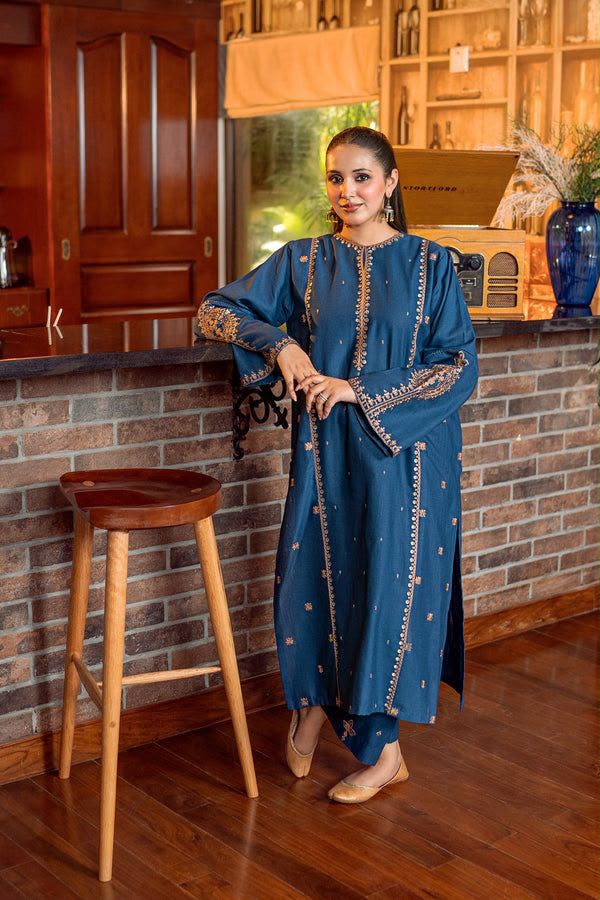
Dhanak is often selected for autumn and winter because it has more body and warmth than lawn while remaining relatively easy to wear. Khaddar is generally thicker and more textured, while karandi can offer a soft, structured drape. These fabrics pair naturally with full sleeves, straight trousers and a shawl or matching dupatta. See Bela’s dhanak collection and read the dhanak fabric guide before deciding.

Silk, chiffon and organza for formal occasions
Silk has a smooth surface and a dressier drape, making it a popular option for evening events and wedding guests. Chiffon is light and fluid but usually needs a suitable lining when used for a shirt. Organza is crisp and can add structure to sleeves, dupattas and overlays. Delicate fabrics and heavy embellishment may need professional cleaning, so factor care into your decision.
Find a silhouette that suits the occasion
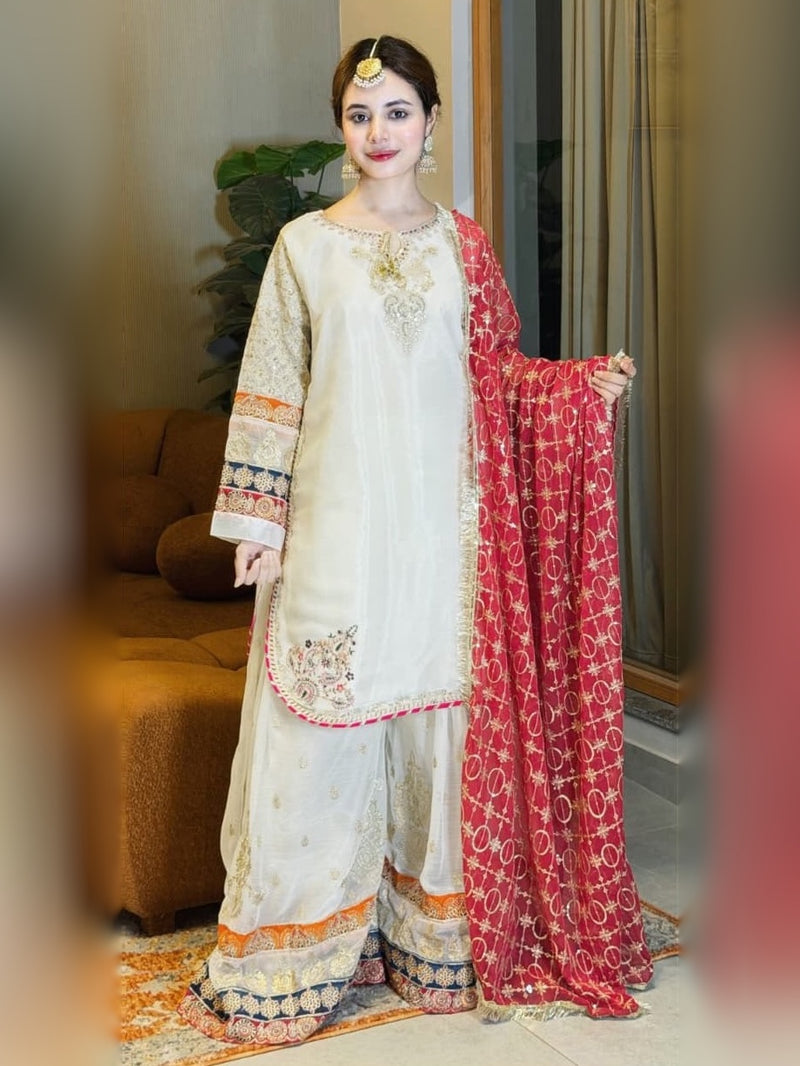
The cut changes the character of an outfit. A straight shirt with straight trousers is versatile for daily wear, office or university. An A-line shirt adds gentle flare and can be dressed up or down. A long shirt with cigarette pants or a flowing trouser feels more formal, while a short kurti with a sharara or gharara creates a festive look.
- Straight shirt: a reliable option for everyday use, work and family visits.
- A-line shirt: easy to move in and suitable for casual to semi-formal plans.
- Angrakha: a wrap-front style that gives a traditional, occasion-ready finish.
- Frock or peshwas: a fuller silhouette often chosen for celebrations and formal gatherings.
- Short kurti with sharara: a lively combination for mehndi and festive events.
For more neckline, sleeve and trouser inspiration, read Bela’s Pakistani suit design guide. Use reference photos when speaking with your tailor, but adapt the design to your fabric and measurements.
What to wear for Eid, weddings and everyday plans
Casual wear and work
For routine wear, choose cotton, lawn, linen or a comfortable winter fabric with a manageable print or light embroidery. A straight shirt, practical sleeves and trousers that allow you to sit and walk comfortably are more useful than details that need constant adjustment. Keep a second dupatta in a complementary neutral shade to create different combinations.
Eid and festive gatherings
Eid is a good time for colour, coordinated embroidery and a dupatta that completes the outfit. A three-piece suit in a seasonal fabric is an easy choice when you want a ready-made colour story. Pastels and soft prints can feel fresh for daytime, while deeper shades and more detailed work can suit an evening visit. Choose shoes you can comfortably wear through several family stops.
Weddings and formal dinners
For a wedding as a guest, consider silk, a refined embroidered fabric or a well-finished three-piece set. A long shirt, elegant A-line shape or formal frock can look special without competing with the bridal party. If the shirt has heavy work, keep jewellery and the dupatta styling simpler. For outdoor events, check the weather and avoid a hem that drags on the ground.
Traditional clothing is also part of a wider textile heritage. The Nasreen ki Haveli textile museum documents Pakistan’s regional textile traditions. For another perspective on preserving these crafts, read AramcoWorld’s feature on Nasreen ki Haveli.
Styling details that make an outfit feel complete
Start with one focal point. If the shirt has dense embroidery around the neckline, choose simpler earrings and a quieter dupatta. If the fabric is mostly plain, a printed or contrast dupatta can add interest. Match the formality of your footwear to the event, and check the trouser length while wearing the shoes you plan to use.
- Keep the dupatta secure with a discreet pin when you expect to move around.
- Choose a bag that does not catch on delicate embroidery or embellishment.
- For a printed suit, pick one colour from the print for your shoes or accessories.
- For a formal outfit, repeat one metal tone in your jewellery and bag hardware.
- Try the full outfit together before the event, including sleeves, neckline, trousers and dupatta.
Buying and tailoring checklist
When shopping for unstitched fabric, confirm the fabric name, number of pieces, shirt and trouser lengths, dupatta dimensions and any included embroidered panels. Do not assume that every three-piece set contains the same type of dupatta or that every two-piece has identical fabric quantities.
Before stitching, take current measurements for shoulder, chest, waist, hip, sleeve, shirt and trouser length. Ask the tailor to confirm the finished measurements and discuss seam allowance, side slits and neckline depth. If you are copying a favourite shirt, bring it along and explain which parts you want to keep. For ready-made clothing, compare your measurements with the garment size chart and check the return policy before ordering.
Look closely at embroidery placement and fabric condition. Check whether the design is printed, embroidered or embellished, and whether any delicate work needs special handling. A clear product description and realistic expectations are more useful than choosing by a photograph alone.
How to care for your suit
Care instructions depend on the fabric and its embellishment. As a general starting point, wash dark and bright prints separately, use cool water and a gentle detergent, and avoid harsh bleach. Turn embroidered pieces inside out or place them in a laundry bag. Dry in the shade because strong sunlight can fade colours. Iron on the reverse side at a suitable temperature, using a pressing cloth over embroidery.
For delicate silk, chiffon, organza or heavily embellished outfits, check the label and consider professional cleaning. Store clean, fully dry clothes in a cool, dry cupboard. Fold heavy embroidered pieces rather than leaving their weight on a narrow hanger. Bela’s fabric care instructions cover washing, drying and ironing for its unstitched suits.
Frequently asked questions
Which fabric is best for a Pakistani suit in summer?
Lawn and lightweight cotton are common summer choices because they are breathable and comfortable in warm weather. Choose a lighter lining and avoid heavy embellishment for daytime wear.
Is a two-piece or three-piece suit better?
A two-piece suit usually includes shirt and trouser fabric, while a three-piece adds a dupatta. Choose two-piece for flexible everyday styling and three-piece when you want a coordinated festive outfit.
What should I wear to a Pakistani wedding as a guest?
An embroidered silk or other formal three-piece suit is a suitable option. Choose a refined cut and comfortable shoes, and keep the overall look appropriate for a guest rather than bridal wear.
How do I choose the right size for an unstitched suit?
Unstitched fabric is tailored after purchase, so take accurate measurements and confirm the fabric quantity with your tailor before cutting. For ready-made suits, compare your measurements with the store’s size chart.
Conclusion: choose a Pakistani suit for women with confidence
The right Pakistani suit for women balances fabric, fit, occasion and care. Choose lawn or cotton for warm days, consider linen for a polished everyday look, and explore dhanak, khaddar or karandi when the weather cools. For Eid and weddings, let the fabric and embroidery set the level of formality, then complete the outfit with comfortable tailoring and thoughtful accessories.
Take time to check what each set includes and how it should be cared for. When you are ready to compare fabrics and designs, explore Bela’s unstitched collection and choose a style you will enjoy wearing beyond one occasion.